The first night in Kyoto, we had dinner at Hatanaka, watching Geisha's dance and entertaining. I didn't expect so much, but actually we enjoyed so much. 京都初日は、旅館畑中で、芸者さんの踊りを観ながらの夕食でした。正直、期待していた以上に楽しみました。 畑中ウェブサイト:http://www.thehatanaka.co.jp/
After the dinner, we walked around Yasaka Shrine in Gion. It was after the rain and leaves and soil in the shrine were shining. It was beautiful. 畑中での食事の後は、近くの八坂神社周辺をしばし散歩。 雨上がりで、土の匂いと、緑がみずみずしく感じられました。
This place serves great Tendon, and you can see queue out side every day. The Tempura is huge volume and really soft omelet is seriously delicious. You have to try. 祇園にある、ここの天丼は昼のオープン早々行列が出来る程の人気です。 特大のエビの天ぷらと、出し巻き卵は格別です。
We've been looked for nice relaxing bar for while... We've reached to very nice bar. ウロウロと、ゆっくり出来そうなバーを探す事40分。 素敵なバーにたどり着きました。
And in the end, we ended up in Izakaya just across from Kyoto station. It was third time to go this izakaya since last year. We love this place. そして、最後に京都駅のすぐ正面にある、居酒屋へ。 去年初めて来てから、今夜で3度目の来店。すっかりリピーターです。
We've arrived at Kamisuwa station around 5pm. And Miyasaka shacho Director of Miyasaka Brewing Co. ltd came to the station to pick us up. We checked into our hotel first, then we were off to Miyasaka shacho's home to have dinner together. Miyasaka shacho, Kumi san, Miyasaka shacho's parents and 6 of us were seating around the large dinner table constantly filled by Kumi san, (Wife of Miyasaka shacho) who cooked fantastic dishes all night long and we were so impressed by her all night. We were so busy to eat and drink that none of us were taking photos hence I was so regretful that we didn't have any photos of all the lovely dishes... But I've found some photos from that night on Kumi san's blog. Please have a look at Kumi san's lovely blog if I may say. And I've found out we've drunk more than 1 dozen bottles of sake on that night from her blog.... 上諏訪の駅に到着したのは5時を回っていた頃でした。真澄の宮坂社長がご親切に駅まで迎えにきてくださいました。 あまりの荷物の多さに、ぎゅぅぎゅぅと、荷物を詰め込む事数分、やっとの事で発車し、今回お世話になる渋の湯さんへ。 チェックインを済ませた後は、早速、宮坂社長のご自宅で夕食をごちそうになりました。 社長ご夫妻と、社長のお父様、お母様、そして私達にぎやかな6人でテーブルを囲みました。社長の奥様、公美さんのお料理の腕前はプロ並みで、頂いたお料理全てが美味しくて、一同から歓声とため息が何度も出ました。 食べるのと飲むのにとても忙しく、一枚も写真を撮れなかったのでしたが、とてもうれしい事に公美さんのブログに写真を発見!なんと私達、あの夜は1ダース以上の日本酒を頂いた事もブログで知りました…。途中で日本酒がなくなってしまったにも関わらず、届けて頂いて本当に恐縮です。 公美さんのブログはこちら:http://www.enjoysake.jp/miyasakake/archives/000370.html
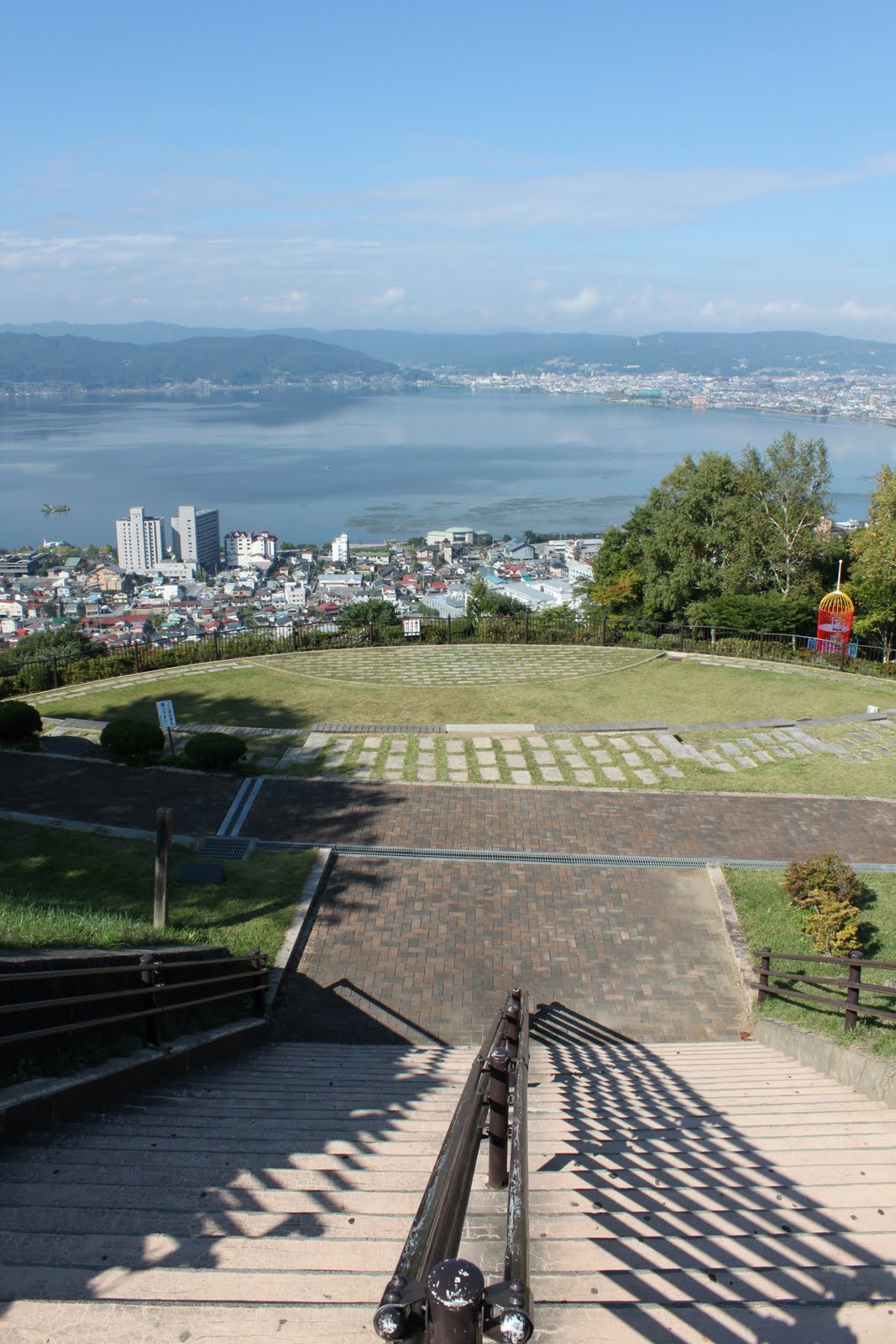
Next morning, Keith came to our hotel at 9am. 次の日は、キースさんが私達の泊まっている旅館に朝9時に迎えにきてくださいました。 Before we visit the brewery, Keith from Masumi Brewery showed us around the Suwa lake. It was really breath taking view from the top of the mountain. And we stopped in front of rice field and watched farmers harvesting the crops of rice. 蔵へ見学にいく前に、諏訪湖がよく見えるスポットに連れて行ってくださいました。 天気も良く、眺めも最高で一同ため息。 その後で、たまたま稲刈りをしている方がいたので、車から降りてしばし見物。
Now we are in the Masumi Fujimi brewery. We were visiting slightly early to see actual sake making. None of the sake producers hasn't started making yet. However we could watch polishing sake rice and polishing process. そんなこんなで富士見蔵に着きました。 私達が見学した時期は、酒造りにはほんの少し早く、どの蔵元さんでもまだ造りに入っていないところがほとんどでしたが、精米をしているところを見学し、色々、精米中の温度管理の事等を詳しく教えて頂けました。 This is used to filter sake, called Fune. ふねと呼ばれる、日本酒を濾過する伝統的な機材です。
We went for lunch after visited the first brewery. We had pork cutlet. We've received sesame seeds and little grinding bowl, and we started to grind sesame seeds as much as we like... Then mixed with home made tonkatsu sauce. We've ordered different cut cutlet, fillet, roast and Ume-shiso maki (=rolled shiso leaves and Japanese pickled plum) I love this cabbage that comes with fried dishes or cutlet. It's believed to help digestion. The quality of meat was really good. I've tried to cook pork cutlet at home in London sometimes but it is completely different quality. It was really delicious. 始めの蔵見学を終えて、お昼はキースさんお薦めのトンカツ屋さんへ。 席に着くと、ごまの入った小さなすり鉢とすり粉木を各自受け取り、待っている間はソース作りに没頭しました。 私達が注文したのは、ロース、ヒレ、そして梅しそ巻きのカツです。 キャベツも山盛り♡お肉もとても柔らかく本当においしくいただきました。 ロンドンの自宅でも、時々カツを作ったりしますが、こんなに柔らかく出来上がるのは、やはり質の良いお肉のせいでしょう。
We've visited a Miso factory as well. ご好意に甘えて、味噌蔵も見学させてもらいました。 宮坂社長、公美さん、そしてキースさん、本当にお世話になりました。 ありがとうございました。
So, after we checked out the hotel, we were off to Soba noodle make. Soba is a type of Japanese noodle made with buckwheat flower. It is usually served chilled with dipping sauce or with hot soup as a noodle soup.
We've washed our hands with alcohol and start to make soba. It was really simple. But it was very difficult to make for beginners like us. Most important thing was speed. If takes too long to make soba, the dough get dried and it wouldn't be good quality. チェックアウトをした後は、全員でそば打ちクラスの行われるレストランへ向かいました。 石けんではなく、アルコールで手を洗った後、早速そば作りにとりかかりました。製法は至ってシンプルでしたが、やはり初心者の私達には、いまいちウマくこつをつかむ事が出来なくて、少々戸惑いました。そば打ちで大切な事の一つにスピードがあります。生地が乾いてしまうと、ひび割れの原因になったり、良いそばが出来ないそうです。 Final stage, cutting was very difficult to keep same size of the noodle all the way down. And knife was very heavy. 最終段階の、切る作業も思った以上に集中力を要しました。麺一本ずつが同じ太さになるように重い包丁を動かして行きました。 After we finished soba making, we move to the restaurant area. And received a bottle of sake (as usual) and scoop of toasty sweet miso with leek and buckwheat. It was pared well with sake, so much. 全てのそば打ちが終わった後は、全員でレストラン席に移動し、白みそと、ネギ、そばの実を炙ったものを頂きました。日本酒をオーダーし、一緒に頂きましたが、とても美味しく、一同感激でした。
We had our own soba noodle. I was very surprised to see my soba noodle looks so much bigger than when I've cut. I've tried to cut my dough as thin as possible, but look at mine!... Once again, I understoo how difficult to make good soba... We've also received normal soba noodle that they usually serve to customers. As soon as we looked at it, we all laugh. そして、一人一人、自分で打ったおそばを頂きました。 私のそばは、思ったよりもかなり太く、切った時はあんなに細かったのにぃ、と改めて実力の差を目の当たりにしました。その後、こちらで普段お客様に出しているそばも頂く事が出来ました。目の前に届いたご主人の作ったおそばを観て、一同苦笑。みな同じ気持ちのようです。 Before we go to catch train, we visited to famous cliff just around the corner. It was very scary and super high. I was not feel comfortable at all.
next trip will be Nagano... to be continued... 長野へ行く電車に乗る前に、歩いて2分程の距離にある、名物の吊り橋を観に行きました。 とんでもなく高く、あまり居心地が良くなかったので私は、皆より一足先に橋を降りました。
About 2.5 hours from Tokyo, Thomas, my friend James, Roslyn, Christine and Eric are arrived at Izu Hokkawa station. By the station you'll see hot spring is piping. 東京から約2時間半、トーマス、友人のジェームス、ロズリン、クリスティン、エリックそして私の6人は伊豆北川の駅に到着しました。 駅からも、すぐに温泉のわいているのが見えます。 This is the hotel Bosui where we've stayed just one night. We've arrived almost an hour early but even though staffs were so kind and let us checked in. After we dropped our luggage, we united at public bath out side of hotel, away 3 minutes walk from hotel and it is stands actually just by the sea. We were stayed there for 30/40 minutes and we had good experience. こちらが、ホテル望水です。 ここには、1泊だけお世話になりました。 一時間近く予定よりも早く着いてしまったのでしたが、皆さんとても親切で、早めにチェックインさせてくださいました。 それぞれ各部屋に荷物を置いた後、全員で歩いて3分程のホテルの外にある、露天風呂へ行きました。波のたっぷリとした音を聞きながら、30、40分は居たでしょうか。とても気持ちがよかったです。
After we came back to hotel we went to have bath again, until just before we having dinner...The view was incredible and it was so relaxing. ホテルに帰ってからも、夕食まではまた飽きずにお風呂です。 とても眺めの良いお湯につかって、本当にリラックスできました。 We've stayed in the tub until the sun goes down.... It was exceptional... 日が落ちるまで、のんびりとお風呂を楽しみました。
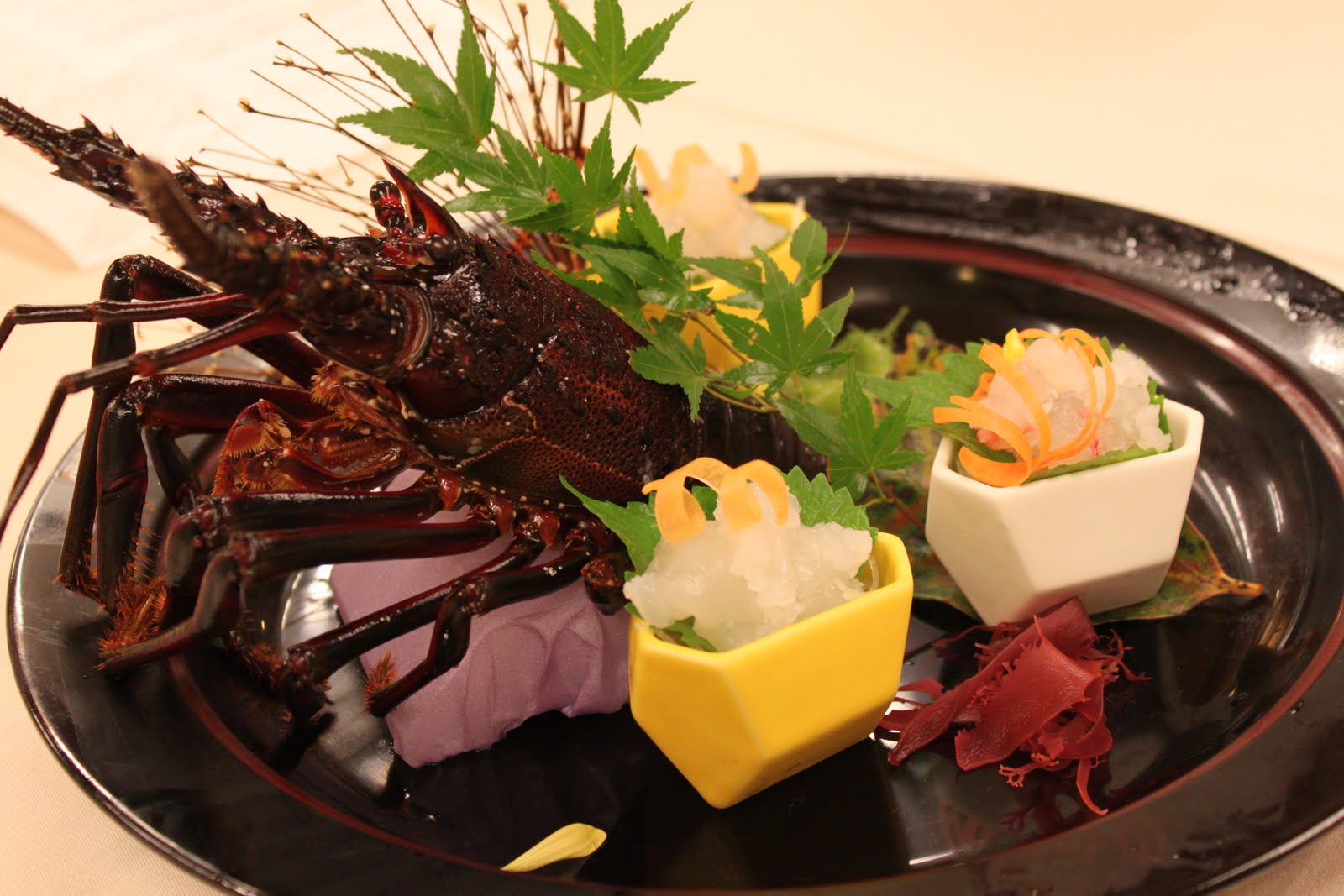
Fresh lobster. It was still arrive when we received. The shell will be in the soup for breakfast tomorrow. I can not wait! 伊勢エビの刺身です。テーブルに届いた時にはまだ生きていたので、外人5人のテンションの高い事…。エビの殻は明日の朝ご飯のスープに使われるそうです。今から楽しみ。 Stone grilled wagyu beef. It was delicious and vegetables that came with beef also very tasty. Grilled abalone stuffed with abalone and kimo sauce topped with local seaweed. Hashioki (chopstick rest) is like a little flower base. Everybody had a different flower. It was really nice touch. We ate so many dishes... I was too busy to eat. (I'm sorry I don't have photo for every single dishes) The all dishes were really amazing. And we were super stuffed.
Thom and other friends wanted to have a night cap, but I didn't have any tiny space left in my stomach so I went back to my room and crashed into bed. When I realized next time it was 5 in the morning... テーブルの箸置きには、ちいさな花が添えてあって、それぞれ全員が違う花だったりと、こんなところにも優しい心遣いを感じました。 かなりお腹が満腹だったにもかかわらず、皆バーでナイトキャップを飲みたいと言うので、私は一人部屋へ戻り、敷いてあった布団に横になって待っているつもりが…。次に気がついたときは朝の5時、でした。
This is the break fast. On the side of this tray, we had grilled fish of your choice, (5 different fish Hiraki or Misozuke), rice and local miso based seafood soup called Hamakko soup. The soup were made with miso, clams, lobster (from last night), squid, and vegetables and prepared with 400℃ hot stone dropped into large pot, in front of us. It was just amazing taste. Also home made fresh tofu was really silky and sweet. There is both salt and soy sauce on the side but I've finished my tofu just salt and grated ginger. さて、こちらが朝食です。 あんなに一杯食べたのに、もう朝ご飯。でも私は早く目が覚めてしまったせいか、既に空腹でした。 上のトレーのそばには、5種類から選べる魚の開き、もしくは味噌漬けがコンロの上でぶちぶち音を立てています。その他に、昔からこの辺りで特に漁師達から親しまれている浜っこ鍋のスープです。スープには、昨夜の伊勢エビ、浅蜊、烏賊、野菜のたっぷり入った味噌ベースのスープで、400℃に熱した丸い石を大きな鍋の中に落とし、蓋をしてしばらくすると熱々のスープが頂けます。良い出汁が出ていて、本当に美味しかったです。 それから、自家製のくみ上げ豆腐は、とても滑らかで、クリームのようでした。醤油と塩が添えられていたのですが、塩とおろし生姜のみでとても美味しく頂きました。
I like Japanese crockery such as this one. They are so cute and delicate. Inside of this fish stomach is 2 different types of sea bream miso. Again, we were so full. We still had couple of hours to relax. I think I've slept a bit (again...) and check out. We have a plan to take soba noodle making class.
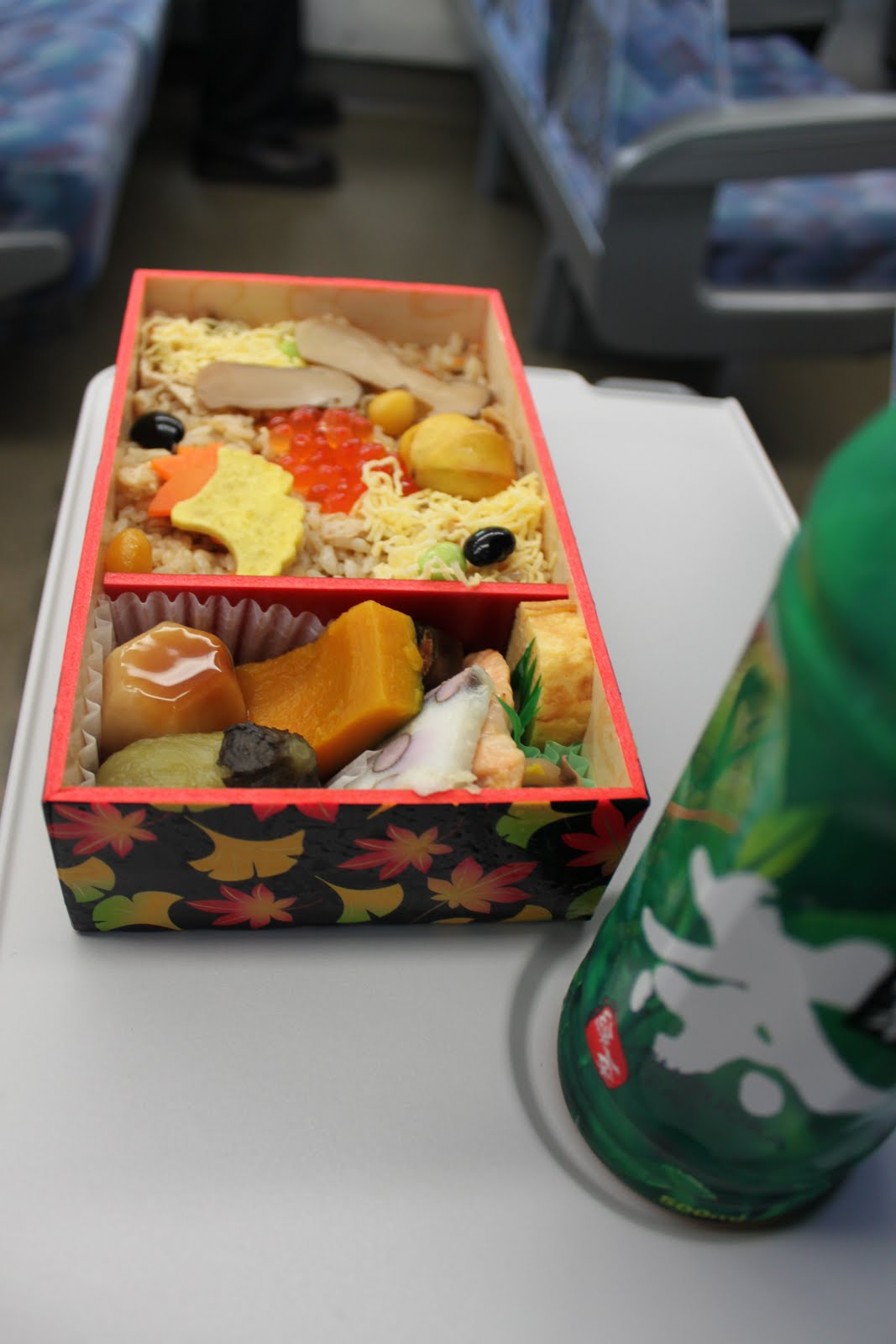
One of the exciting thing about in the Shinkansen (bullet train) in Japan, is definatelly Ekiben. Eki (=station or railway) ben (=bento box/boxed meal) are specific type of box meal that only you can buy at train station or inside of Shinkansen in Japan. (Matsutake mushrooms bento)
It comes with wooden disposal chopsticks and tooth pick, all box are very different. The shape is not only square, you can find Japanese traditional rice pot, plastic box, or wooden box, some of them are instant heating sheet in the box and you can receive hot bento box... they are really wide range of variety. All of the ekiben are made from local food and specialties. So some peoples who loves ekiben very much, just get on the train and enjoy bento and view. Big department in a big city in japan sometimes hold Ekiben festivals featuring ekiben from all over Japan. And offering as much as 100 different types of ekiben and selling tens of thousands during the period.
Almost three decades ago, the air travel was still very expensive and trains were slower. So Many tourist needed ekiben during their journey...
I really like Jamie Oliver and his show. I've found something on Youtube... ジェイミーオリバーは、私の好きなシェフの一人です。Youtubeでこんなものを見つけました。失礼とは思いながらも、かなりツボにはまってしまいましたので、ここでご紹介。
First of all, with my apologies for not being able to update satomi's fridge for so long, I would like to thank everybody who is reading my blog and sending me comments. It makes me feel special, really. Thank you very much. I had busiest month ever this September and I went to Japan for two weeks for holiday.I'm back now!
It was about a month ago, I went to Shojin Ryori (cuisine) seminar. Shojin Ryori is primarily vegetarian, in order to keep with the general Buddhist precept of Ahimsa (non violence). Ms Nishihara who is the coordinator of Cultural Project London, kindly send me an invitation and I also invited our head chef. My bad image of Shojin Ryori was boring, plain taste, brown and traditionally eaten in temples. Also good image is healthy, that's all. Well, it was the first time for me to face to Shojin Ryori culture. And I was totally impressed by Mr Toshio Tanahashi who is chef, teacher and organizer of Zecoo Culinary Institute. He's trained at Gessenji Temple in Shiga prefecture for three years. And He's learned Shojin Ryori and spirit of Zen. In 1992, he opened his restaurant Gesshinkyo in Tokyo.He's never done any advertising for his restaurant and he had only 3 customers when he opened. It was not an easy start, he said. But Gesshinkyo become the hardest restaurant to get a reservation and one of the popular Shojin Ryori restaurant in Japan and abroad.After few years, Tanahashi has been featured by the New York Times, Japan Times, The Sunday Times, The Financial Times and Telegraph magazine. After he closed Gesshinkyo in 2007, he organised Zecoow Culinary Institute and in 2009, he took up to the role of Director of Culinary art and Design at Kyoto University of Art and Design.
At Gesshinkyo, he starts a day with grating sesame seeds. He doesn't need to see, he can hear when its ready. He was demonstrating grating sesame seeds at seminar. He told us to close our eyes and just listen and smell. Smell?! It was about 100 peoples in the room and I don't think every body would smell hand full grated sesame seeds from front to back. I'm sure everybody thought same as I did.He started to grate sesame seeds and I closed my eyes and listen carefully. I could hear different sounds from beginning and ending but it was impossible to tell what stage are sesame now. And I started to smell very intense toasty flavor of sesame. I thought somebody walking around with sesame seeds in the room. I opened my eyes. But no body is moving and I accidentally made eye contact with a mid age lady sitting crosswise behind me. He believes "Chi" can be delivered and received from the food only if handmade. So in his kitchen there is no cooking/processing machinery.And he decide and create dishes on the paper. He knows every single vegetables' characteristic and voice.We've tasted his signature dish sesame tofu, also Pumpkin and fig jelly with miso at the end of the seminar. They were really tasty and I've never imagined such a colorful Shojin Ryori is exist.Sadly there is no more than 5 Shojin Ryori restaurant in Japan now.I don't know what I can start, I want to keep my antenna to Shojin Ryori now. ブログをしばらくアップできなくて、申し訳ありません。 それから、この場を借りていつも読んでくださっている方々、暖かいコメントを送ってくださっている方々に改めてお礼申し上げます。独り言のように勝手な事を書いていますが、いつも読んでくださってる方がいると思うと、感謝の気持ちで一杯です。 目が回る程の忙しい9月があっという間に過ぎ去り、今年初の休暇を、先日日本で2週間過ごす事が出来ました。
もう1ヶ月程前になってしまいますが、精進料理のセミナーに行ってきました。幸運にもCultural Project Londonの西原様より招待頂いたので、せっかくと思い、弊社のヘッドシェフも誘って参加しました。 私が抱いていた悪いイメージの精進料理と言えば、お寺のお坊さんが食べる、地味で味気なく、茶色っぽい食事でした。良いイメージはと言えば、ヘルシーで、それ以外には特にこれと言って特徴がない料理の様に思っていました。精進料理初心者の私、今回、棚橋俊夫先生の授業を受ける事になりました。棚橋先生は、料理人でもあり、教師でもあり、是食キュリナリーインスティテュートの創立者でもあります。彼は、3年間滋賀県にある月心寺で修行し、そこで精進料理と、“禅”の精神を学びます。そして1992年、表参道に精進レストラン、月心居をオープンします。宣伝等しなかったため、始めは客入りが3人程、という日が続きました。そのときはかなり苦労されたようです。それから何年かたって、月心居は、予約の取れない人気店になり、New York Times, Japan Times, The Sunday Times, The Financial Times and Telegraph magazine等で記事を採り上げられるまでになりました。月心居を閉店した後から現在に至るまでは、京都造形芸術大学で講師をされています。